Your toothbrush may be used for only a few months, but the plastic it contains can remain in the environment for centuries. Plastic does not disappear; it breaks into smaller pieces that enter ecosystems, food chains and, eventually, our bodies.
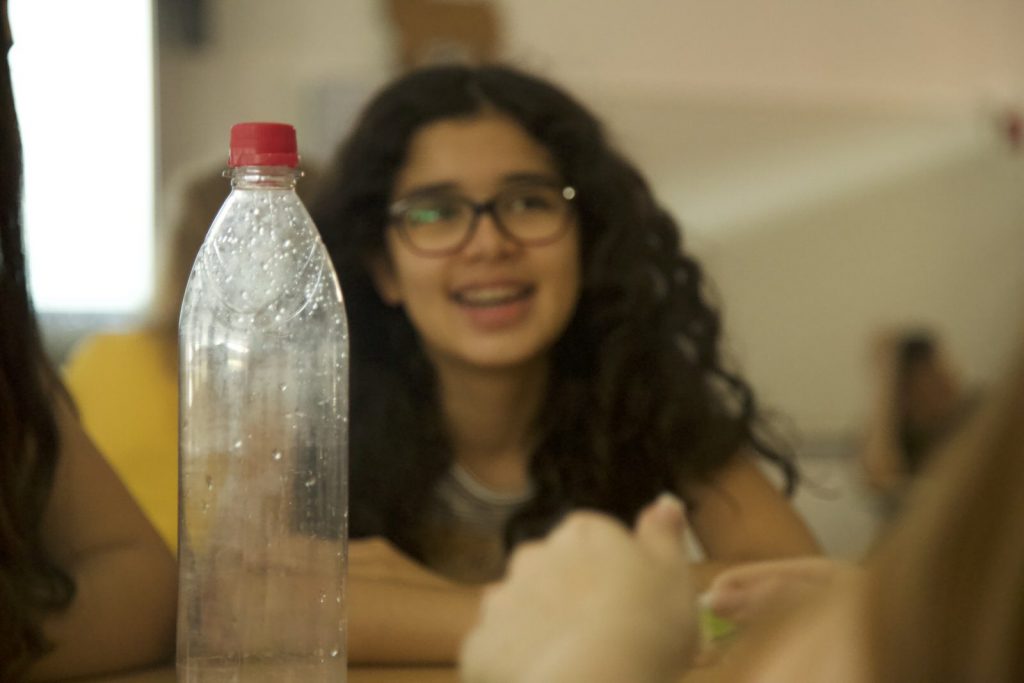
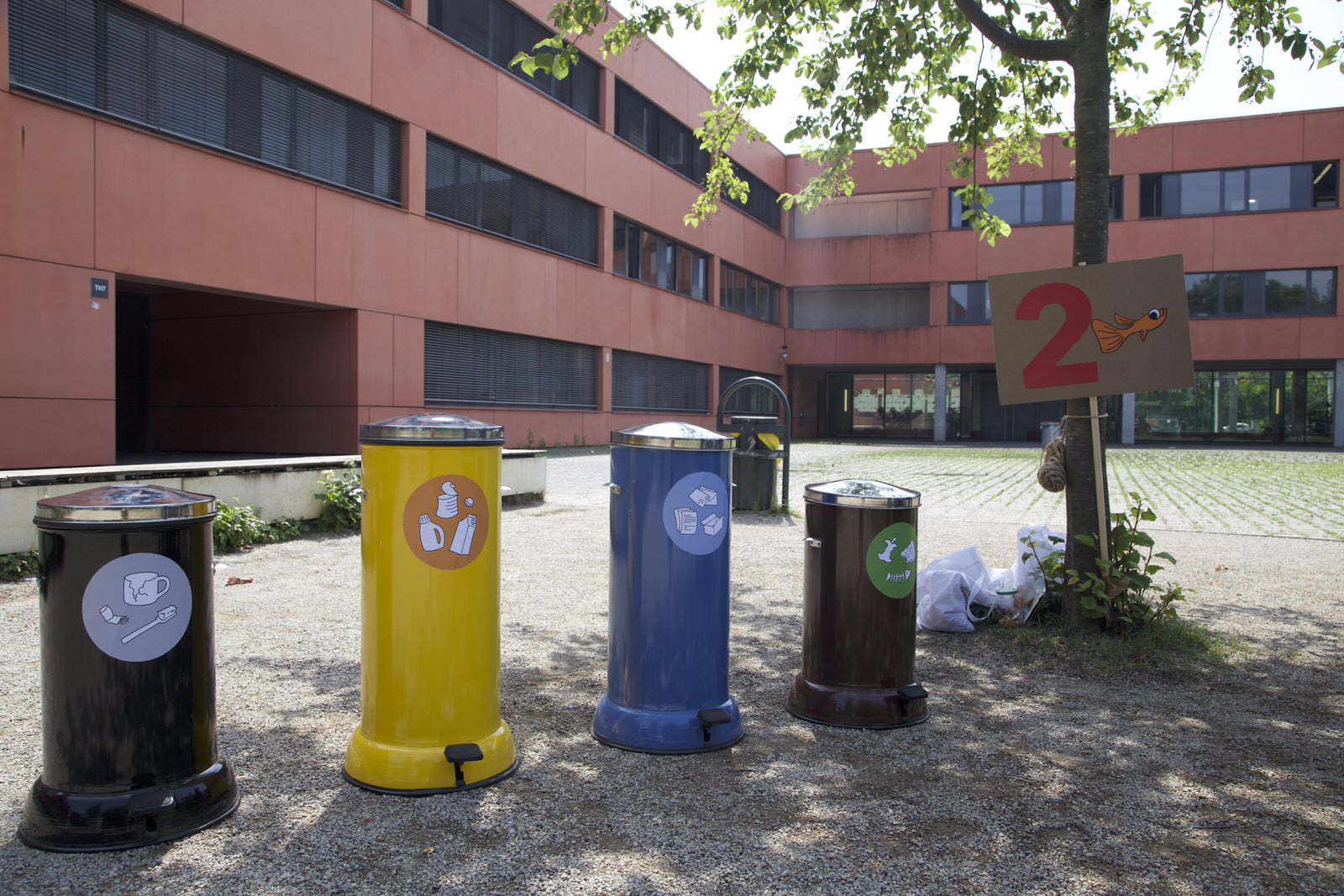
Beginning with screenings of A Plastic Ocean, the project uses games, experiments and open conversation to explore how plastic is made, used and discarded—and why recycling alone cannot solve the problem.
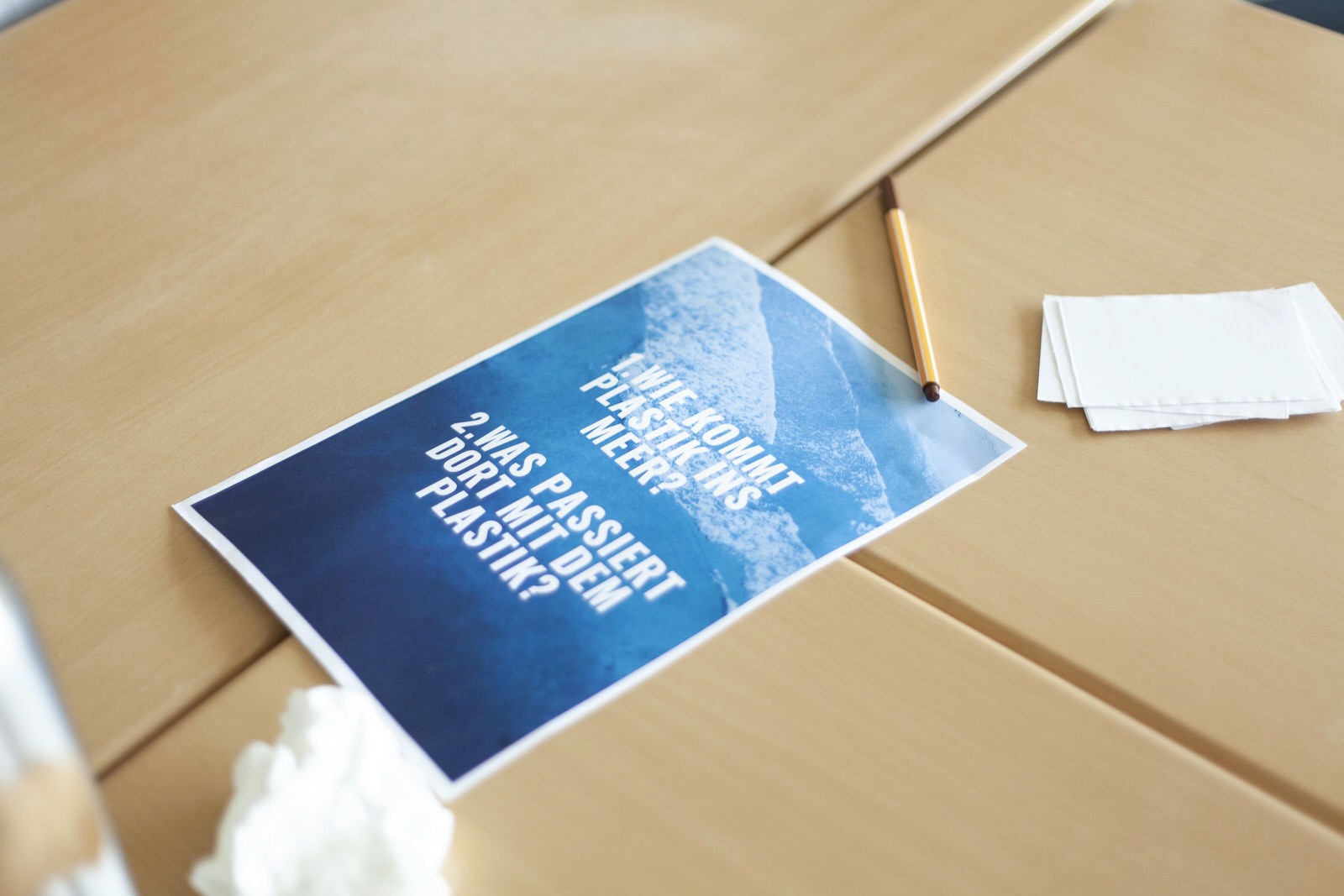
Together with the Berlin based non-profit project Stop Microwaste, we focus on practical action rather than guilt. Students examine the everyday choices they can influence and are supported to become ambassadors for more responsible plastic use in their schools, homes and communities.
Partnerships:

Location:
Schools Germany